
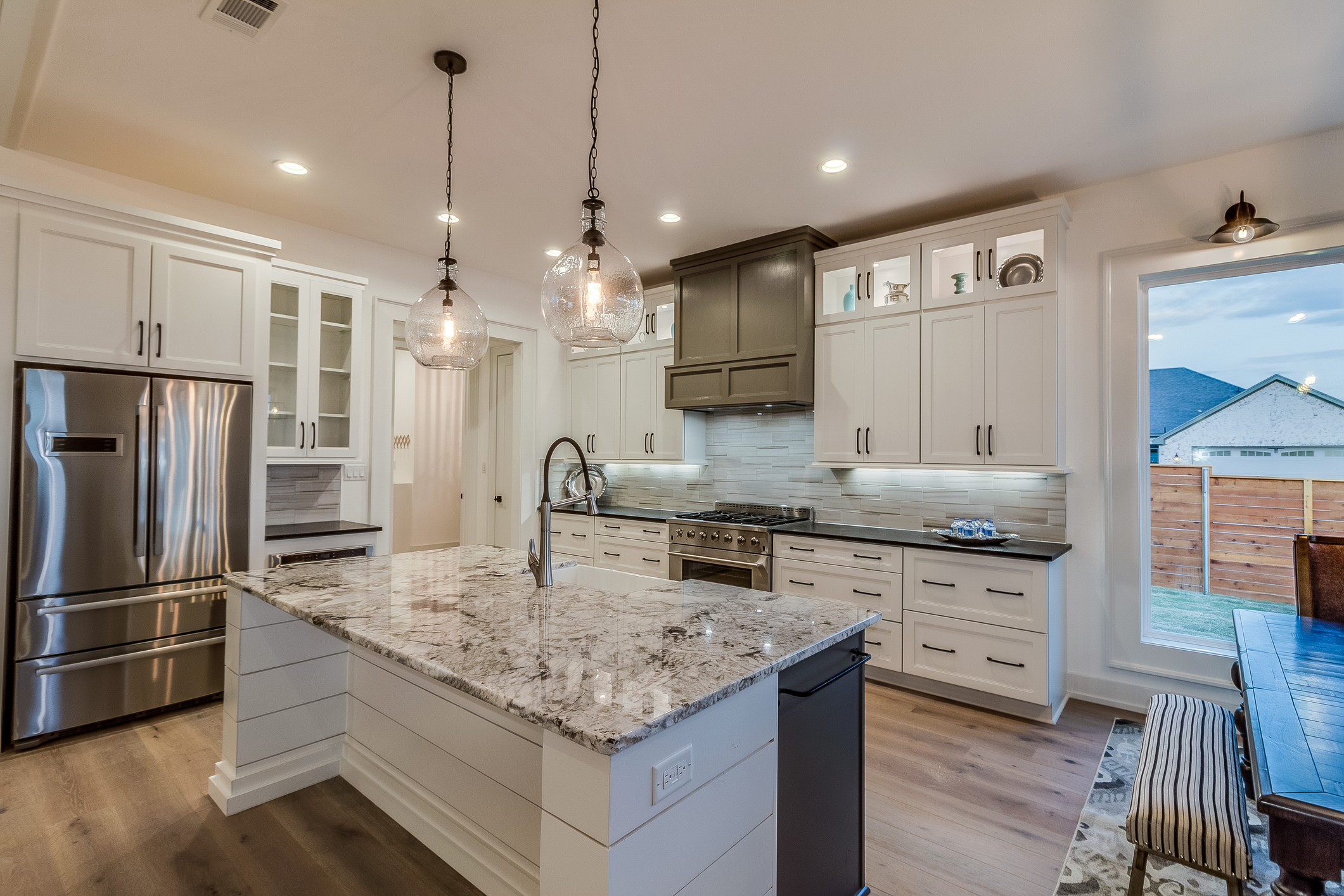
Kitchen Remodeling Project?
A successful kitchen remodeling project begins with understanding how you use your space, what improvements you want to make, and how much you are comfortable investing. Before choosing new cabinets, countertops, or finishes, homeowners should consider the existing layout, available storage, appliance placement, lighting, and overall functionality. Taking time to evaluate these details can help create a kitchen that looks attractive while supporting everyday activities.
Kitchen remodeling involves several decisions that influence one another. Cabinet dimensions affect countertop configurations, appliance locations influence traffic flow, and lighting choices can change how colors and materials appear. At Sherri Kayser Design, we believe thoughtful planning is an important part of creating a kitchen that works for your household. Whether you are considering a few targeted updates or a more extensive renovation, understanding your priorities early can help guide the design process.
- TL;DR
- Establish your remodeling goals, priorities, and budget before selecting cabinets, countertops, and finishes.
- Evaluate your existing kitchen layout, storage needs, appliance placement, and lighting to identify opportunities for improvement.
- Involving a professional kitchen designer early can help coordinate materials, avoid unnecessary changes, and create a more functional space.
How to Plan a Functional and Beautiful Kitchen
Planning a kitchen remodel starts with understanding your needs, budget, and design goals. From layout improvements and material selections to lighting and storage, thoughtful planning can help create a beautiful, functional kitchen that fits your lifestyle.
How Do You Determine What Needs to Change in Your Kitchen?
Making a list of your priorities can help distinguish necessary improvements from optional upgrades. For example, replacing cabinets may be important if storage is inadequate, while new countertops and a backsplash may be enough to refresh a kitchen with an otherwise functional layout. We recommend focusing on the changes that will have the greatest impact on how you use the space before making decisions about decorative finishes.
How Much Should You Budget for a Kitchen Remodeling Project?
Establishing a budget early helps narrow the available options and guide material selections. It is also wise to allow room for unexpected conditions that may become apparent after existing materials are removed. We recommend prioritizing essential improvements and comparing product options before committing to major purchases. A clear understanding of your budget can help create a design that balances appearance, quality, and functionality.
Should You Change Your Kitchen Layout During a Remodel?
However, a complete layout change is not always necessary. If the existing kitchen functions reasonably well, new cabinetry, improved storage accessories, and updated surfaces may provide substantial benefits without relocating major utilities. We recommend evaluating the existing layout before deciding how extensive the remodeling project needs to be.
Kitchen Design?
Lighting and storage are essential to creating a kitchen that is comfortable and practical. General lighting helps illuminate the room, while task lighting supports activities such as food preparation and cooking. Under-cabinet lighting can improve visibility on countertops, and decorative fixtures may contribute to the overall design.
Storage should be planned around the items your household uses most frequently. Drawers, cabinets, pantry shelving, and specialized organizers can help reduce clutter and keep essentials accessible. We recommend considering lighting and storage during the initial design process rather than treating them as secondary details after the layout has been established.
Planning a kitchen remodel involves important decisions about design, materials, and existing features. Our FAQs cover remodeling timelines, updating your kitchen without replacing all cabinetry, and preparing for a design consultation to help you plan your project with confidence. Contact us today to learn more.
Kitchen remodeling planning timelines depend on the complexity of the project, the number of design decisions involved, and the availability of selected materials. A straightforward update may require less planning than a complete layout redesign. Allowing adequate time for measurements, product selection, and coordination can help reduce unexpected delays.
Yes, some kitchen improvements can be completed while keeping existing cabinetry. Depending on its condition and configuration, updating countertops, hardware, lighting, or selected storage features may improve the appearance and functionality of the space. A design evaluation can help determine which existing elements are worth retaining.
Helpful items include photographs of your existing kitchen, approximate room measurements, inspiration images, and a list of features you want to improve. Having a general budget and understanding of your priorities can also help guide the discussion. These details provide a useful starting point for exploring design possibilities.


